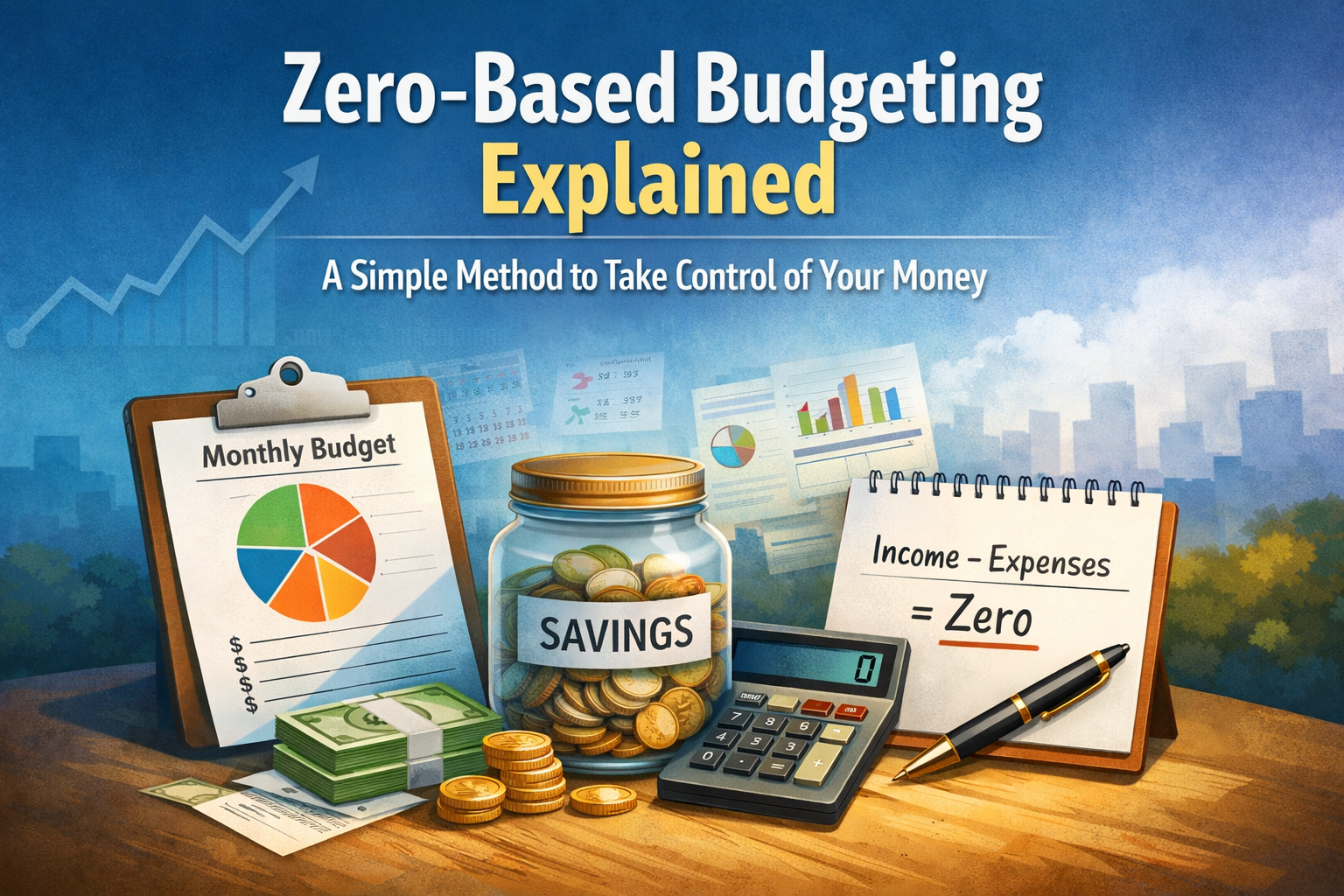
Zero-based budgeting is a method of managing money that begins with a simple but transformative idea: every dollar you earn should be given a clear and intentional purpose before you spend it. Instead of allowing money to flow in and out of your account without direction, you create a plan that assigns each dollar to a specific role. By the time you finish building your budget, your total income minus all planned expenses equals zero. This does not mean you are spending everything carelessly. It means that every dollar has been thoughtfully allocated, whether it is going toward bills, savings, debt repayment, or personal enjoyment.
This approach encourages a shift in perspective. Many people are used to thinking about money in a reactive way. They receive income, pay a few obvious bills, and then spend the rest as needs and wants arise. At the end of the month, they may feel uncertain about where their money went or why they were unable to save as much as they hoped. Zero-based budgeting replaces that uncertainty with intention. It invites you to take control at the beginning of the month rather than trying to make sense of things at the end.
The process starts with understanding your income. This includes your primary salary as well as any additional sources such as freelance work, side income, or passive earnings. Once you have a clear picture of how much money you have to work with, you begin assigning it to different categories. Essential expenses usually come first. These are the costs that support your basic needs and responsibilities, such as housing, utilities, groceries, transportation, and insurance. By covering these categories first, you ensure that your most important obligations are always met.
After accounting for essential expenses, you move on to financial priorities that support your future. This often includes savings and debt repayment. In a zero-based budget, saving money is not something that happens if there is extra left over. It is a deliberate choice that is built into your plan. You might allocate money toward an emergency fund, retirement accounts, or specific goals such as moving to a new city or building a financial cushion. Similarly, debt payments can be approached strategically, allowing you to make consistent progress over time.
Once your essentials and priorities are covered, you can assign money to discretionary spending. This includes categories like dining out, entertainment, hobbies, and personal purchases. One of the most encouraging aspects of zero-based budgeting is that it does not eliminate enjoyment. Instead, it creates space for it in a controlled and intentional way. When you know that you have already planned for your responsibilities and goals, you can spend on enjoyable activities without the same level of guilt or uncertainty.
As you continue assigning money to each category, you adjust the amounts until your total planned expenses match your total income. This balancing process is where the method gets its name. The goal is to reach a point where there are no unassigned dollars left. Every dollar has a job, even if that job is simply to remain in your account as part of your savings.
One of the most valuable outcomes of zero-based budgeting is increased awareness. When you take the time to plan each category, you begin to notice patterns in your spending that may have previously gone unnoticed. You might realize that certain expenses are higher than you expected, or that you are allocating less money than you would like toward long-term goals. This awareness gives you the opportunity to make adjustments that align more closely with your priorities.
The method also encourages consistency. By revisiting your budget regularly, often on a monthly basis, you create a habit of checking in with your finances. This ongoing engagement helps you stay on track and adapt to changes in your income or expenses. Life is rarely predictable, and unexpected costs can arise at any time. Zero-based budgeting allows you to respond to these changes with intention rather than stress, because you are already familiar with your financial structure.
Another important benefit is the sense of control that comes from planning ahead. Financial stress often stems from uncertainty. When you are unsure whether you can afford something or worried about upcoming bills, it can create anxiety that affects other areas of your life. By clearly defining where your money is going, you reduce that uncertainty. You are no longer guessing or hoping that things will work out. You have a plan that reflects your current reality and your future goals.
Zero-based budgeting can also improve decision-making. When every dollar is assigned a purpose, each spending choice becomes more meaningful. You are not just deciding whether to make a purchase. You are deciding whether that purchase aligns with the plan you have created. This added layer of consideration can help you avoid impulsive decisions and focus on what truly matters to you.
It is important to recognize that this method is not about perfection. Your first budget may not capture every detail accurately, and that is completely normal. You may underestimate certain expenses or forget to include irregular costs. The key is to treat the process as a learning experience. Each month provides new information that you can use to refine your approach. Over time, your budget will become more accurate and more aligned with your lifestyle.
Flexibility is an essential part of making zero-based budgeting sustainable. While the initial plan is created at the beginning of the month, adjustments can and should be made as needed. If you spend more in one category, you can reallocate funds from another category to maintain balance. This adaptability ensures that your budget remains realistic rather than restrictive. It allows you to respond to real-life situations without abandoning the system altogether.
Technology can play a helpful role in supporting this method. Budgeting apps, spreadsheets, or even simple notes can be used to track your allocations and spending. The specific tool you choose is less important than the habit of regularly reviewing and updating your budget. The goal is to create a system that is easy for you to maintain and that encourages consistent engagement.
Zero-based budgeting also fosters a stronger connection between your daily actions and your long-term goals. When you allocate money toward savings or investments each month, you are actively building the future you want. These contributions may seem small at first, but their consistency can lead to meaningful progress over time. By making these goals a regular part of your budget, you ensure that they are not overlooked.
For those who feel overwhelmed by their finances, this method can provide a sense of clarity and direction. It breaks down the larger picture into manageable pieces, allowing you to focus on one category at a time. Instead of trying to solve everything at once, you create a structured plan that guides your decisions step by step.
Zero-based budgeting is ultimately about intention. It is about recognizing that your money is a resource that can be directed toward the life you want to build. By assigning every dollar a purpose, you create a framework that supports both your immediate needs and your future aspirations. Over time, this intentional approach can lead to greater confidence, reduced stress, and a stronger sense of financial stability.
As you continue practicing this method, you may find that it becomes more than just a budgeting technique. It becomes a way of thinking about your finances that emphasizes awareness, responsibility, and choice. Each dollar represents an opportunity to move closer to your goals, and each budgeting cycle is a chance to refine your plan.
With patience and consistency, zero-based budgeting can transform the way you manage money. It encourages you to stay engaged, make thoughtful decisions, and build a financial system that works for you. Even small steps can lead to meaningful progress, and over time, those steps can create a foundation for long-term success.
Leave a Reply