-

How to Save More by Budgeting in Affordable Areas
View article: How to Save More by Budgeting in Affordable AreasLiving in a low cost area provides a unique financial advantage that many people overlook. It is often assumed that a lower cost of living means budgeting is less important. This is a common misconception that can lead to missed opportunities for wealth building.
-

Beat the High Cost of City Living
View article: Beat the High Cost of City LivingLiving in a city where rent takes half your paycheck can feel like a constant uphill battle. You see high prices everywhere from the grocery store to the local coffee shop. It often feels like your money disappears before you even have a chance to save it.
-

Budgeting for Engineers
View article: Budgeting for EngineersBudgeting often feels like a constraint to the engineering mind because it limits the variables you can manipulate in your daily life. However, you should view a budget not as a restriction but as a structural design for your financial future.
-

Building a Budget That Works Even When Your Pay is Irregular
View article: Building a Budget That Works Even When Your Pay is IrregularBudgeting can feel difficult when income is unpredictable. Many traditional budgeting methods assume a steady paycheck that arrives on the same day each month. When income varies, that structure breaks down. This can create stress and uncertainty.
-
The Effortless Money Mirror: How to See Your Spending Without Tracking Every Dollar
View article: The Effortless Money Mirror: How to See Your Spending Without Tracking Every DollarMost people want to understand where their money goes. They try to track spending for a few days or a few weeks. Then life gets busy. The effort fades. The tracking stops. This pattern is very common. It does not mean the person lacks discipline.
-

Why Budgeting Fails for Most People and How to Make It Work
View article: Why Budgeting Fails for Most People and How to Make It WorkBudgeting is often presented as the foundation of financial success. It is one of the first recommendations people encounter when they begin to take control of their money. The idea appears simple and reassuring: track what you earn, track what you spend, and allocate your money intentionally.
-

Save Money Fast: A Practical Guide to Rapid Financial Progress
View article: Save Money Fast: A Practical Guide to Rapid Financial ProgressSaving money quickly is not just about cutting expenses or increasing income in isolation. It is about creating a shift in how money flows through your life and how you interact with it on a daily basis. When the goal is to save money fast, the focus becomes intentionality.
-

How to Build $10,000 in Savings Over the Next 12 Months
View article: How to Build $10,000 in Savings Over the Next 12 MonthsSaving ten thousand dollars in a single year can feel overwhelming at first, especially if you are starting from a place where money already feels tight or unpredictable. The number itself is large enough to create hesitation.
-
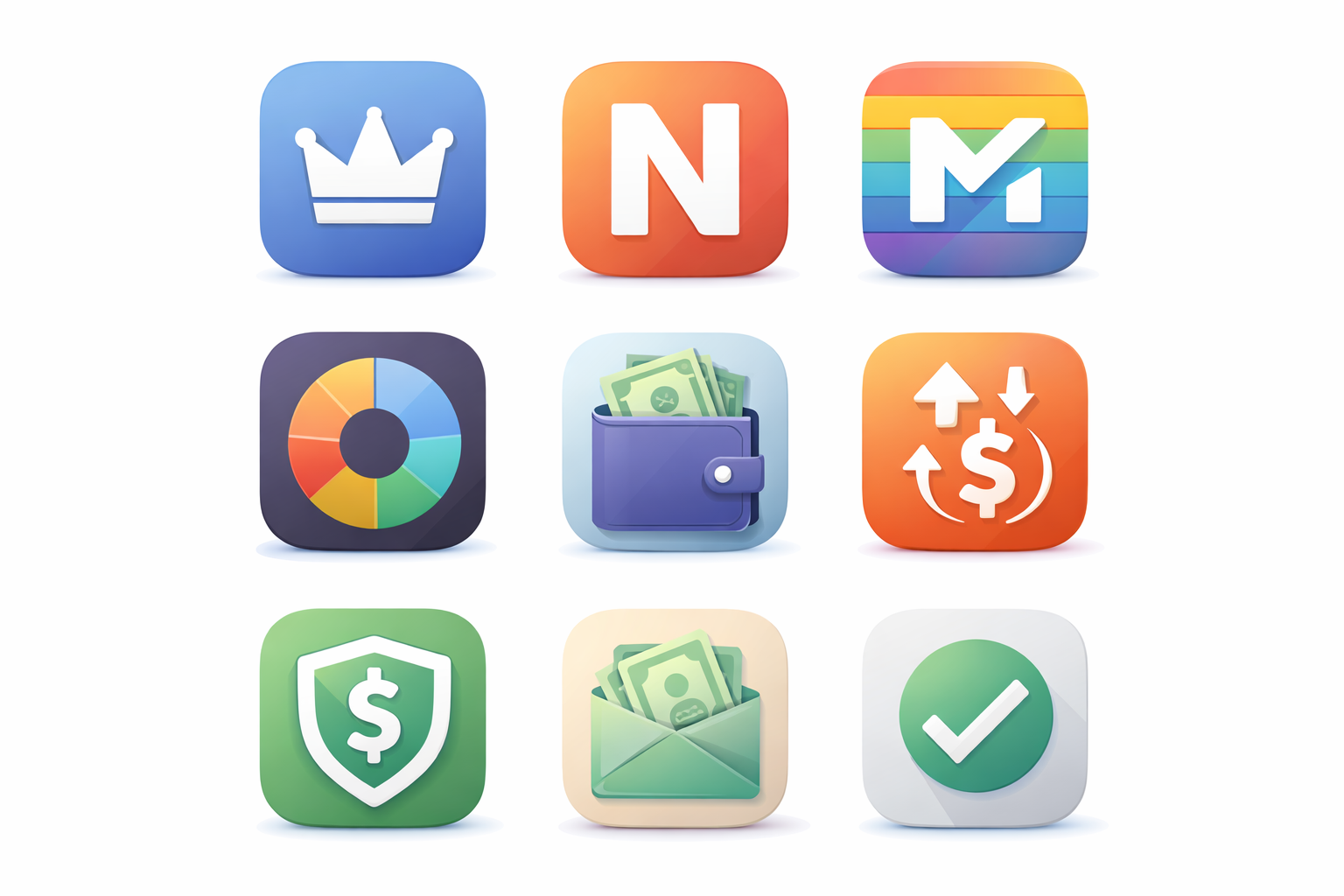
Best Budgeting Apps in 2026: Smarter Tools for Building Financial Confidence
View article: Best Budgeting Apps in 2026: Smarter Tools for Building Financial ConfidenceBudgeting in 2026 looks very different from what it did just a few years ago. The evolution of financial technology, combined with shifts in how people earn, spend, and save money, has transformed budgeting from a manual, often tedious process into something far more dynamic and personalized.
-

Take Control of Your Finances with the 50/30/20 Rule
View article: Take Control of Your Finances with the 50/30/20 RuleThe 50/30/20 rule is one of the most widely recommended frameworks for managing personal finances, especially for those who are just beginning to take control of their money or looking for a simple way to bring structure to their spending.
financial calculus
Teaching you personal finance (because high school didn’t).
Search for a topic or view an article.